Buying Reliable Telecoms Test Gear
Telecoms test gear is essential for maintaining and troubleshooting communication networks. Precision and reliability in test equipment ensure systems operate without interruption. Choosing the right tools affects efficiency and accuracy in the field. I will guide you through key considerations when selecting telecoms test gear.
Understanding the Importance of Telecoms Test Gear
Test equipment verifies network integrity and performance. It detects faults, measures signal quality, and confirms compliance with standards. Without reliable gear, diagnosing issues becomes guesswork. This leads to longer downtimes and increased costs.
For example, a fiber optic technician relies on an Optical Time Domain Reflectometer (OTDR) to locate breaks or splices. An RF engineer uses spectrum analyzers to identify interference sources. Each tool must deliver consistent results under various conditions.
Investing in quality test gear reduces repeat visits and improves customer satisfaction. It also supports compliance with regulatory requirements. In South Africa’s competitive telecoms market, dependable equipment is a must.

Key Features to Look for in Telecoms Test Gear
When selecting test equipment, focus on these critical features:
Accuracy: Check specifications for measurement precision. Look for low error margins.
Durability: Equipment should withstand harsh environments and frequent handling.
Ease of Use: Intuitive interfaces reduce training time and errors.
Compatibility: Ensure the gear supports the technologies you work with, such as 4G, 5G, or fiber optics.
Portability: Lightweight and compact devices improve field efficiency.
Battery Life: Long-lasting power is crucial for extended fieldwork.
Data Management: Ability to store, export, and analyze test results simplifies reporting.
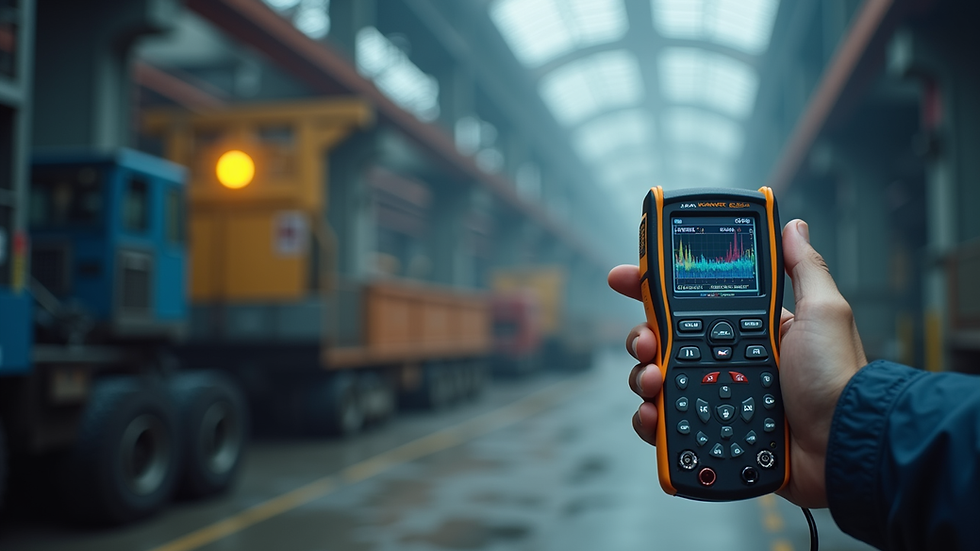
For instance, a handheld spectrum analyzer with a clear display and long battery life enables quick interference checks on site. A modular test set that supports multiple interfaces reduces the need to carry several devices.
Types of Telecoms Test Gear and Their Uses
Different roles require specific tools. Here are common categories and their applications:
Cable and Fiber Testers
Measure cable continuity, length, and faults.
OTDRs locate fiber breaks and splices.
Power meters check optical signal strength.
Signal Analyzers
Spectrum analyzers detect interference and measure signal quality.
Network analyzers assess antenna performance and transmission lines.
Protocol Analyzers
Monitor and decode communication protocols.
Useful for troubleshooting data link and network layers.
Power Meters and Sensors
Measure RF power levels to ensure proper transmission.
Time Domain Reflectometers (TDRs)
Identify faults in copper cables by measuring reflections.
Each tool serves a specific purpose. Combining them provides comprehensive network diagnostics.

How to Evaluate Suppliers of Telecoms Test Gear
Choosing a supplier is as important as selecting the equipment. Consider these factors:
Reputation: Look for providers with proven track records in telecoms test solutions.
Technical Support: Access to expert advice and troubleshooting is vital.
Calibration Services: Regular calibration maintains accuracy and compliance.
Warranty and Service: Ensure clear terms for repairs and replacements.
Training: Some suppliers offer training on equipment use and maintenance.
Local Availability: Quick access to parts and service reduces downtime.
For example, a supplier based in South Africa with local support can respond faster to urgent needs. This aligns with the goal of maintaining critical telecoms infrastructure with minimal disruption.
Practical Tips for Maintaining Telecoms Test Gear
Proper maintenance extends the life and reliability of your equipment. Follow these guidelines:
Store devices in protective cases to prevent damage.
Clean connectors and ports regularly to avoid signal loss.
Calibrate equipment according to manufacturer schedules.
Update firmware and software to access new features and fixes.
Inspect batteries and replace them before they fail.
Document usage and maintenance activities for accountability.
Routine care prevents unexpected failures during critical tests. It also preserves the accuracy of measurements over time.
Securing the Best Value When You Buy Telecoms Test Equipment
When you decide to buy telecoms test equipment, balance cost with quality. Avoid the temptation to choose the cheapest option. Low-cost gear often lacks precision and durability.
Instead, focus on:
Total cost of ownership, including maintenance and calibration.
Equipment lifespan and upgrade paths.
Supplier reliability and after-sales support.
Investing in trusted test gear pays off through fewer errors and faster problem resolution. This supports uninterrupted network performance and customer trust.
Explore options carefully and request demonstrations or trials when possible. This hands-on experience helps confirm the gear meets your needs.
Reliable telecoms test gear is a cornerstone of effective network management. It ensures accurate diagnostics and supports ongoing system health. By prioritizing quality, compatibility, and supplier support, you safeguard your operations.
If you want to buy telecoms test equipment that meets these standards, choose a provider committed to precision and reliability. This approach aligns with the highest industry expectations and the demands of South Africa’s telecoms environment.


Comments